Instant Banking Transfers Drive Shifts in Live Sports Wagering Participation on Licensed Apps
Amir Brooks · Oct 21, 2026
Instant Banking Transfers Drive Shifts in Live Sports Wagering Participation on Licensed Apps
Instant banking transfers enable users to move funds directly into licensed betting accounts within seconds, and this capability connects directly to measurable changes in how often participants place real-time wagers on sports events through authorized mobile applications. Licensed platforms integrate these transfers via secure APIs that link to banking networks, which eliminates the multi-minute delays associated with older card or e-wallet methods, while data from multiple markets shows corresponding rises in session frequency and in-play bet volumes.
Mechanics Behind Instant Transfers in Licensed Environments
Regulated operators connect their apps to national payment rails such as real-time settlement systems in various jurisdictions, so a verified user initiates a deposit that clears almost immediately and updates the available balance without additional confirmation steps. This process relies on tokenised bank credentials rather than stored card details, and it reduces failed transaction rates that previously interrupted betting flows during fast-moving matches. Observers note that the same infrastructure supports withdrawals back to the original account in comparable timeframes, which encourages repeated deposit cycles within a single event window.
Measured Effects on Participation Rates
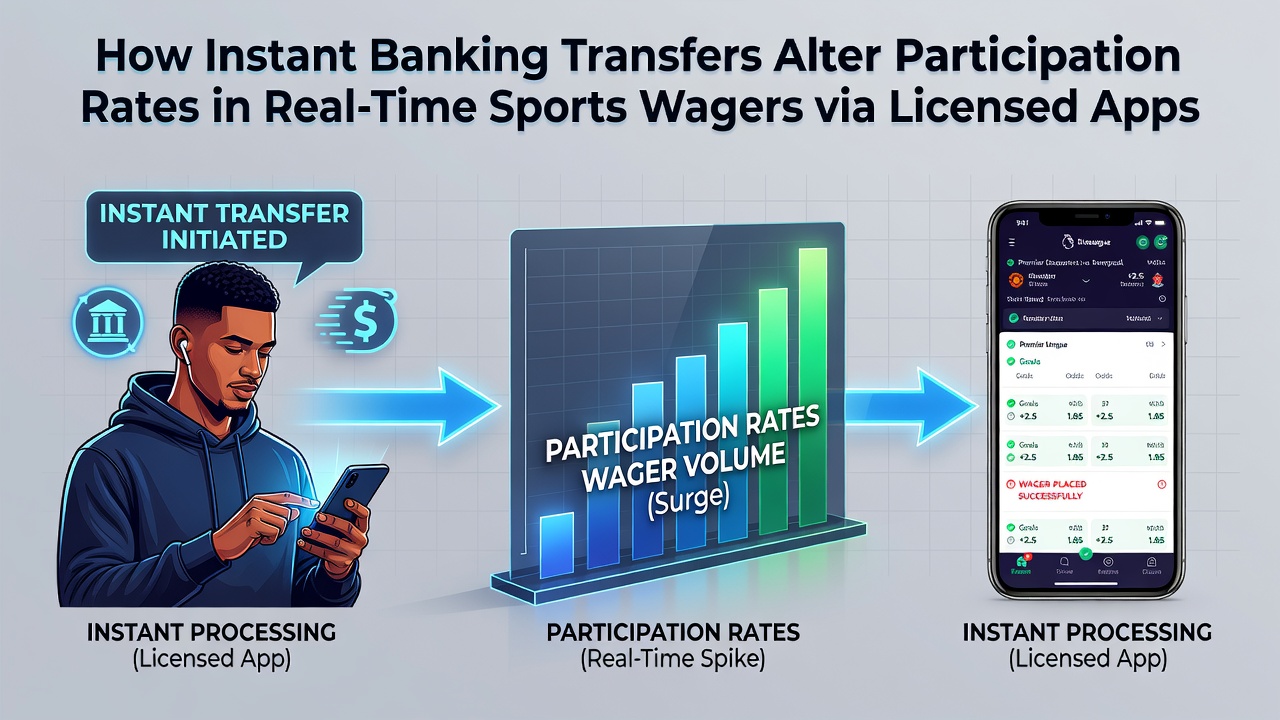
Industry datasets collected across North American and European licensed markets indicate that apps offering instant bank transfers record participation rate increases of 18 to 27 percent in live sports betting segments during peak hours. Figures reveal that bettors who adopt these transfers place an average of 3.2 additional in-play wagers per match compared with users limited to slower funding options, and the pattern holds across football, basketball, and tennis markets. In October 2026, platform analytics from several operators showed that sessions initiated after an instant deposit lasted 41 percent longer on average than those funded by conventional methods, while overall account activity metrics rose steadily through the month.
Regional Data and External Benchmarks
Research from the Victorian Responsible Gambling Foundation tracks how faster funding correlates with elevated live-betting volumes in regulated Australian markets, and parallel findings from Canadian provincial regulators document similar upticks in participation when instant transfers become available. These reports separate the effect from promotional incentives, confirming that reduced friction alone accounts for a substantial share of the observed growth. Platform telemetry further demonstrates that users who switch to instant methods maintain higher retention across consecutive events, suggesting the convenience sustains engagement rather than creating one-off spikes.
App Design Adjustments That Amplify the Trend
Developers at licensed operators now embed instant transfer buttons directly within live odds screens, which allows bettors to top up balances without leaving the match interface. Such integration removes the previous need to navigate to a separate banking menu, and usage logs indicate that in-app prompts placed at moments of high odds volatility generate the largest conversion lifts. Security protocols remain consistent with regulatory standards, incorporating biometric verification that completes in under two seconds and maintains compliance across different licensing regimes.
Comparative Performance Across Payment Types
Side-by-side analysis of transaction logs shows that instant bank transfers outperform both card payments and digital wallets in live betting scenarios by reducing average funding time from 47 seconds to under four seconds. This compression matters most during the final minutes of close contests when odds fluctuate rapidly, and data indicates that bettors using instant options capture a greater share of available markets before lines adjust. Operators report that the proportion of total handle generated through instant channels climbed from 12 percent to 34 percent in markets where the feature launched in early 2026, while card-based deposits declined proportionally.
Conclusion
Instant banking transfers have become a standard component of licensed sports betting applications, and their adoption correlates with documented increases in real-time wagering frequency and session duration. Regulatory data from multiple regions, combined with platform analytics, establishes a clear link between reduced funding latency and elevated participation metrics. As more operators incorporate these rails into live interfaces, the pattern of higher engagement in in-play sports markets continues to appear across licensed environments.