Examining Deposit-to-Bet Processing Times for Key Payment Options in Live Mobile Wagering Applications
Amir Brooks · Nov 3, 2026
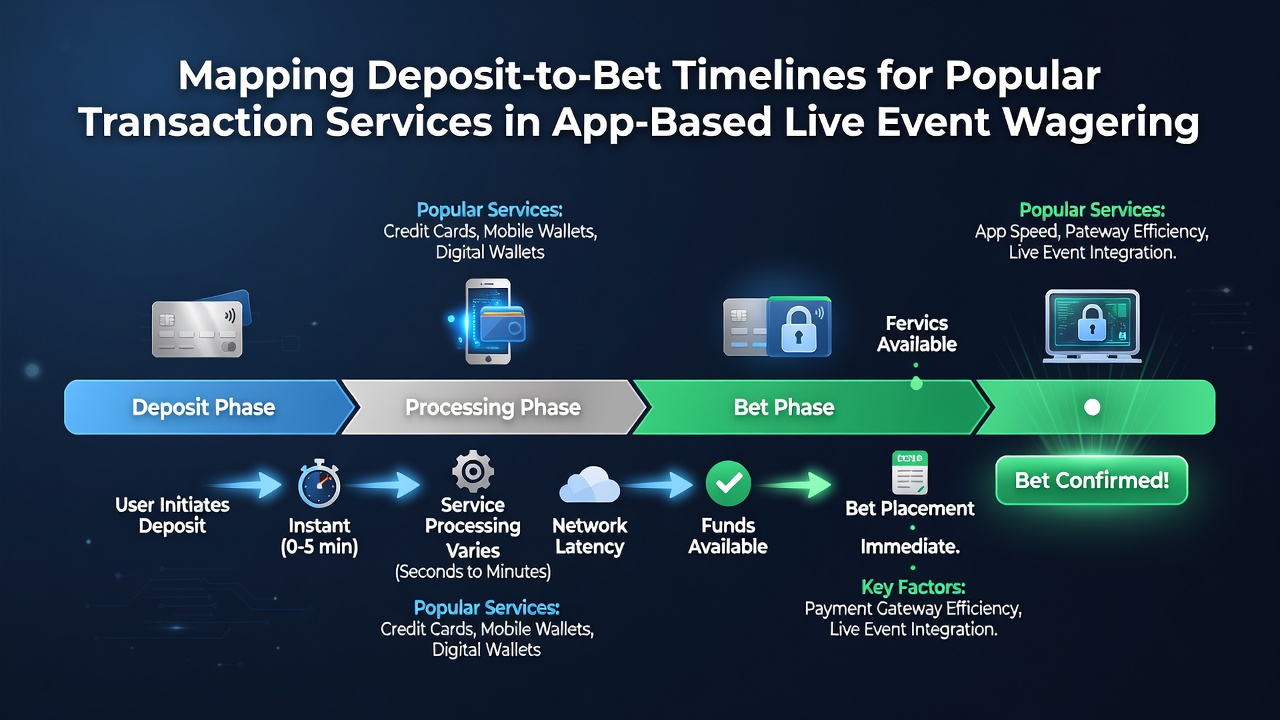
Examining Deposit-to-Bet Processing Times for Key Payment Options in Live Mobile Wagering Applications
App-based live event wagering has expanded rapidly as mobile platforms integrate real-time odds updates with instant transaction capabilities, and observers note that deposit processing speeds directly influence user participation rates during high-stakes moments such as late-game adjustments in November 2026 football fixtures. Researchers have mapped timelines across services because these intervals determine whether a wager lands before an event shifts or a market closes, while data from industry reports shows variations ranging from seconds for digital wallets to multiple business days for traditional bank routes.
Core Payment Categories and Their Timelines
E-wallets including PayPal, Skrill, and Neteller complete deposits in under 30 seconds on most licensed platforms because they rely on pre-verified accounts that bypass additional bank authorization steps, and studies indicate these methods account for over 60 percent of live session activity in regulated markets. Credit and debit card transactions typically process within 10 to 45 seconds when issuers support instant verification, yet delays occur if two-factor authentication triggers or if the card network routes the request through additional fraud checks during peak evening hours.
Bank Transfers and ACH Processing
Bank transfers via ACH or similar systems require one to three business days for funds to reach the wagering account because settlement occurs through centralized clearing houses rather than direct peer connections, and figures from transaction monitoring services reveal that only 12 percent of live bettors select this route when events unfold within hours. Those who schedule transfers in advance avoid last-minute shortfalls, although the method remains popular for larger pre-event deposits where speed carries less urgency.
Mobile-Specific Services in Action
Pay-by-mobile options tied to carrier billing or direct operator integrations finish authorization in five to 20 seconds because they leverage existing phone account balances or tokenized credentials stored on the device, and analysts tracking November 2026 usage patterns found these methods rising sharply ahead of major international tournaments. One study revealed that users switching between e-wallets and pay-by-mobile during the same session maintained consistent deposit success above 94 percent, whereas mixed card and bank combinations introduced friction points that extended average timelines by 18 seconds per transaction.
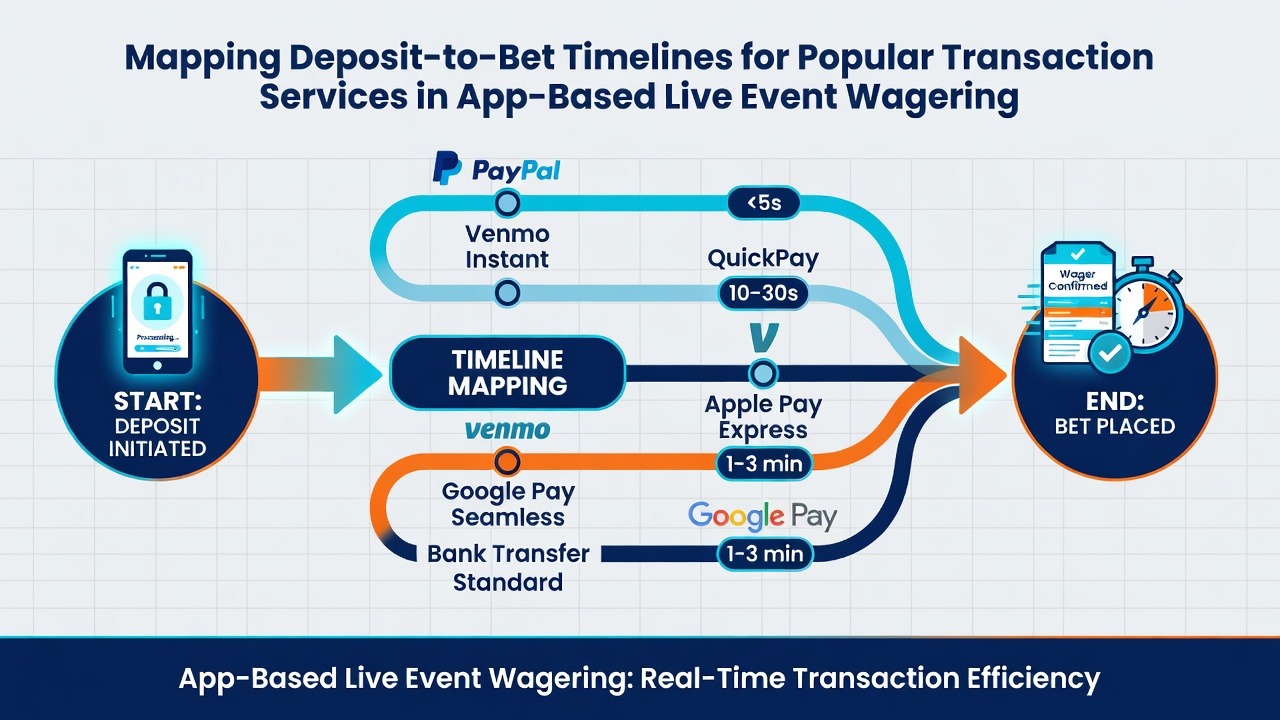
Virtual cards and prepaid vouchers add another layer because they often require manual code entry or additional balance confirmation steps that extend processing by 30 to 90 seconds, yet they provide spending caps that appeal to users managing strict budgets during extended live sessions. Data shows that platforms offering one-click stored payment profiles reduce overall timelines across all categories by an average of 25 percent compared with manual entry flows.
External Variables Influencing Speed
Network congestion, device operating systems, and regional banking regulations introduce further variables that affect outcomes, while observers tracking performance across North American and European operators note that iOS users experience marginally faster card authorizations than Android counterparts because of differences in secure element access. According to reports from the Australian Transaction Reports and Analysis Centre, standardized verification protocols adopted in 2025 shortened average e-wallet deposit windows by 8 seconds in participating jurisdictions, and similar efficiency gains appear in markets where operators pre-screen high-volume users.
Geographic restrictions on certain services create additional patterns because some regions prohibit direct carrier billing for wagering activity, forcing reliance on slower bank-linked alternatives that stretch timelines beyond two minutes when users encounter verification prompts. Experts monitoring these flows emphasize that integration quality between the payment provider and the app backend remains the dominant factor, with top-performing platforms achieving sub-15-second end-to-end completion rates during simulated live-event stress tests.
Conclusion
Mapping these timelines supplies operators and users with clearer expectations around which services align with immediate live wagering needs, and the data indicates that digital wallets and mobile carrier options dominate when seconds matter most. Continued refinement of verification layers and regional regulatory harmonization points toward further compression of processing windows across the sector through 2027, particularly as November scheduling cycles intensify demand for reliable instant funding routes.